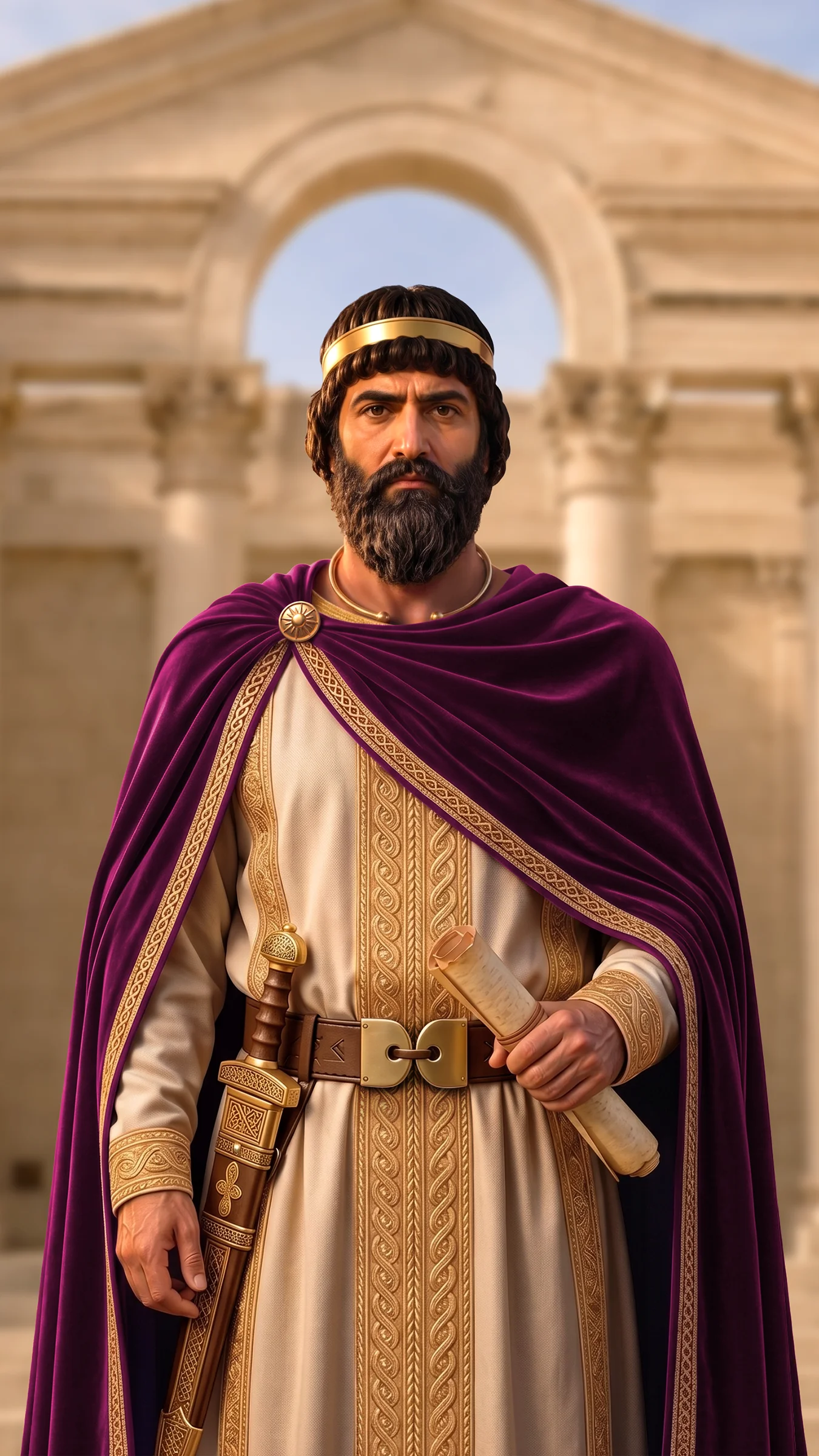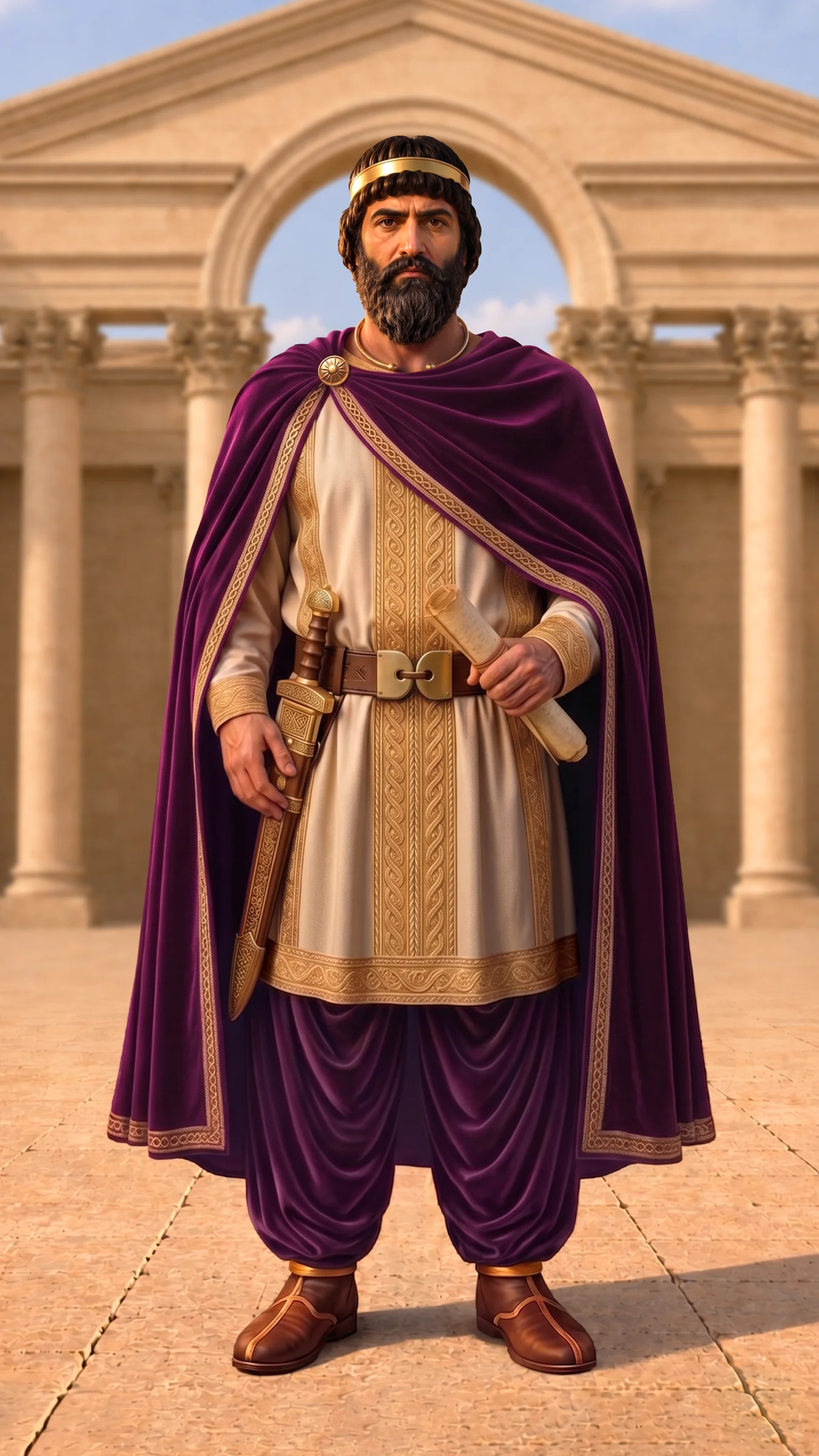
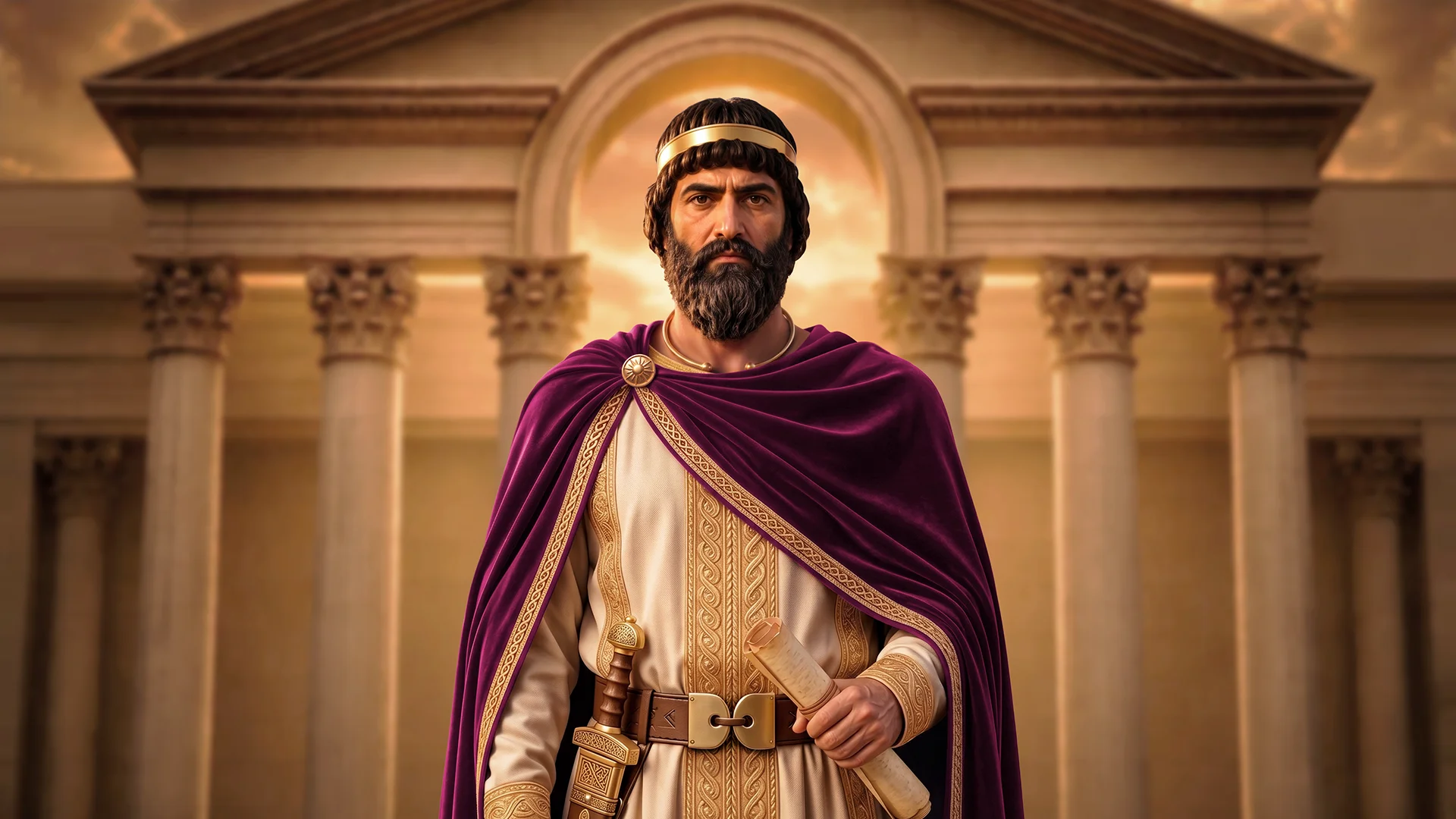
The history of Iran is full of kings who played an important role in the formation and growth of this land. Among them, Mithridates I of Parthia stands as one of the greatest. He is often called the “Cyrus of the Parthians.” In this short article, we will explore his life, achievements, and lasting legacy.
At a time when the Parthians had not yet become a great world power and faced threats from many directions, Phraates I, the Parthian king, made an unusual decision. Instead of following the traditional line of succession and passing the throne to his sons, he chose his brother Mithridates as his successor. This decision would later become one of the most important turning points in the history of Iran.
After taking the throne, Mithridates immediately began expanding and strengthening the Parthian kingdom. He understood that building a great empire required securing the eastern frontiers first. At that time, the Greco-Bactrian Kingdom, once one of the strongest powers in the region, was weakened by internal conflicts and civil wars. Mithridates took advantage of this opportunity. Through a series of successful campaigns, he conquered Merv and parts of Bactria, bringing an important section of the Silk Road under Iranian control.
Mithridates’ greater goal, however, was the Seleucid Empire in the west—the successors of Alexander, who had ruled large parts of Iran for nearly two centuries. Leading a powerful army, Mithridates marched westward. He first liberated Media and Ecbatana from foreign rule, then added Atropatene to the Parthian realm, and finally captured Babylon and Seleucia, dealing a decisive blow to the Seleucid Empire. In 141 BC, Mithridates entered the Greek capital and was crowned there. This was not simply a military victory; it marked the rebirth of the Iranian Empire.
As the Parthian Empire expanded, Mithridates adopted the ancient title “King of Kings.” This recalled the traditions of Cyrus the Great and Darius the Great and established the Parthians as the rightful heirs of the Iranian imperial tradition. During his reign, the Mehestan, the council of Iranian nobles and leading families, also reached the height of its influence and became one of the most remarkable political institutions of the ancient world.
You may now wonder why Mithridates I is called the “Cyrus of the Parthians.”
The answer lies in the way he treated those he defeated. Mithridates allowed the people of conquered lands to preserve their cultures, traditions, and beliefs.
A good example is his treatment of Demetrius II, the Seleucid king. After Demetrius was captured in battle, Mithridates neither tortured nor executed him. Instead, he treated him with generosity and allowed him to live in comfort for the rest of his life. This reflected the diplomacy and wisdom of an Iranian King of Kings.
When Mithridates passed away, the Iranian realm stretched from India to Mesopotamia. The political, military, and cultural institutions he established remained strong for centuries. Through wise leadership and military strength, he freed Iran completely from the shadow of Alexander’s successors and led the country into a new era. For this reason, the name of Mithridates I the Great, the architect of the Parthian Empire, continues to shine in the history of Iran.