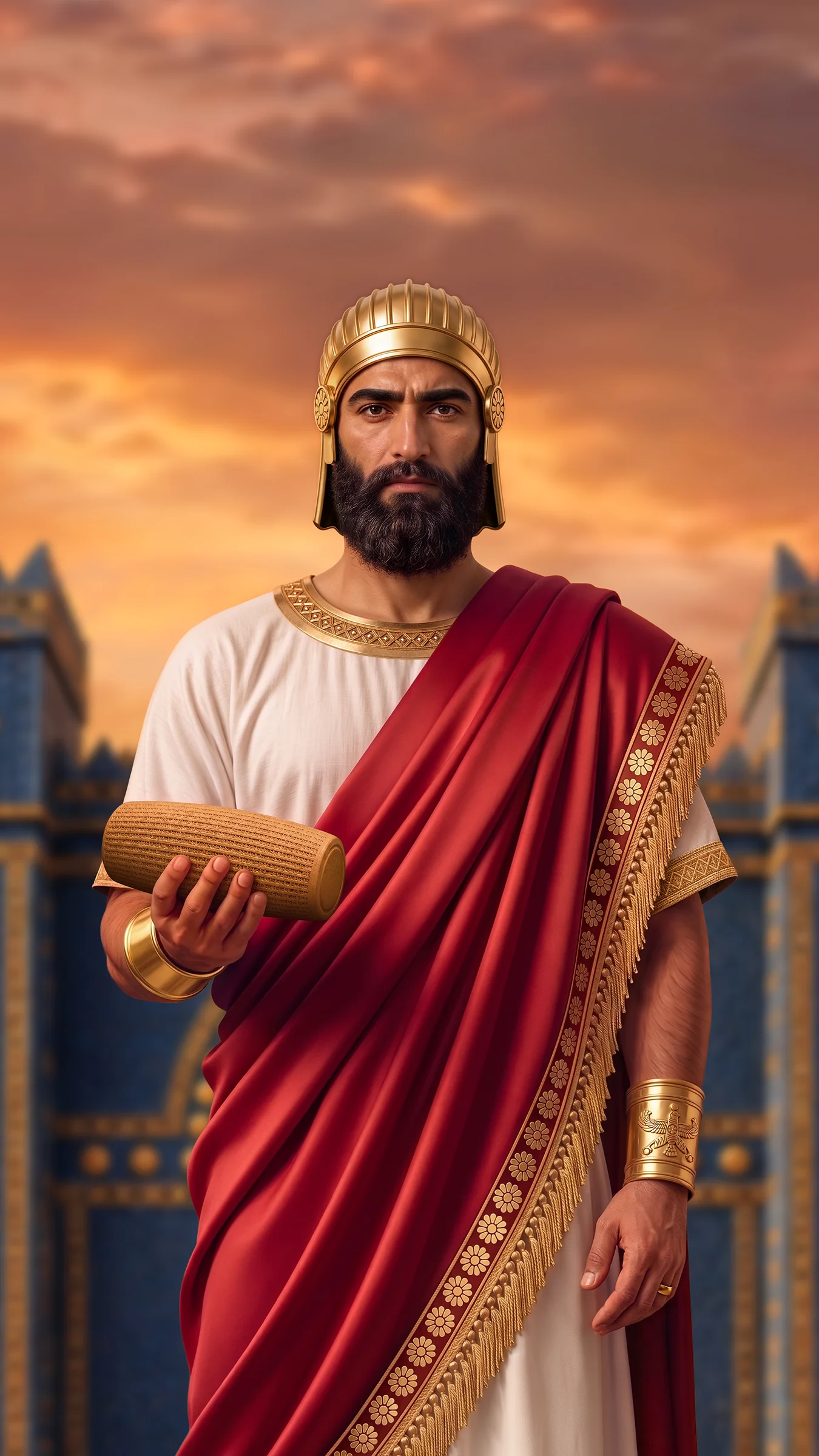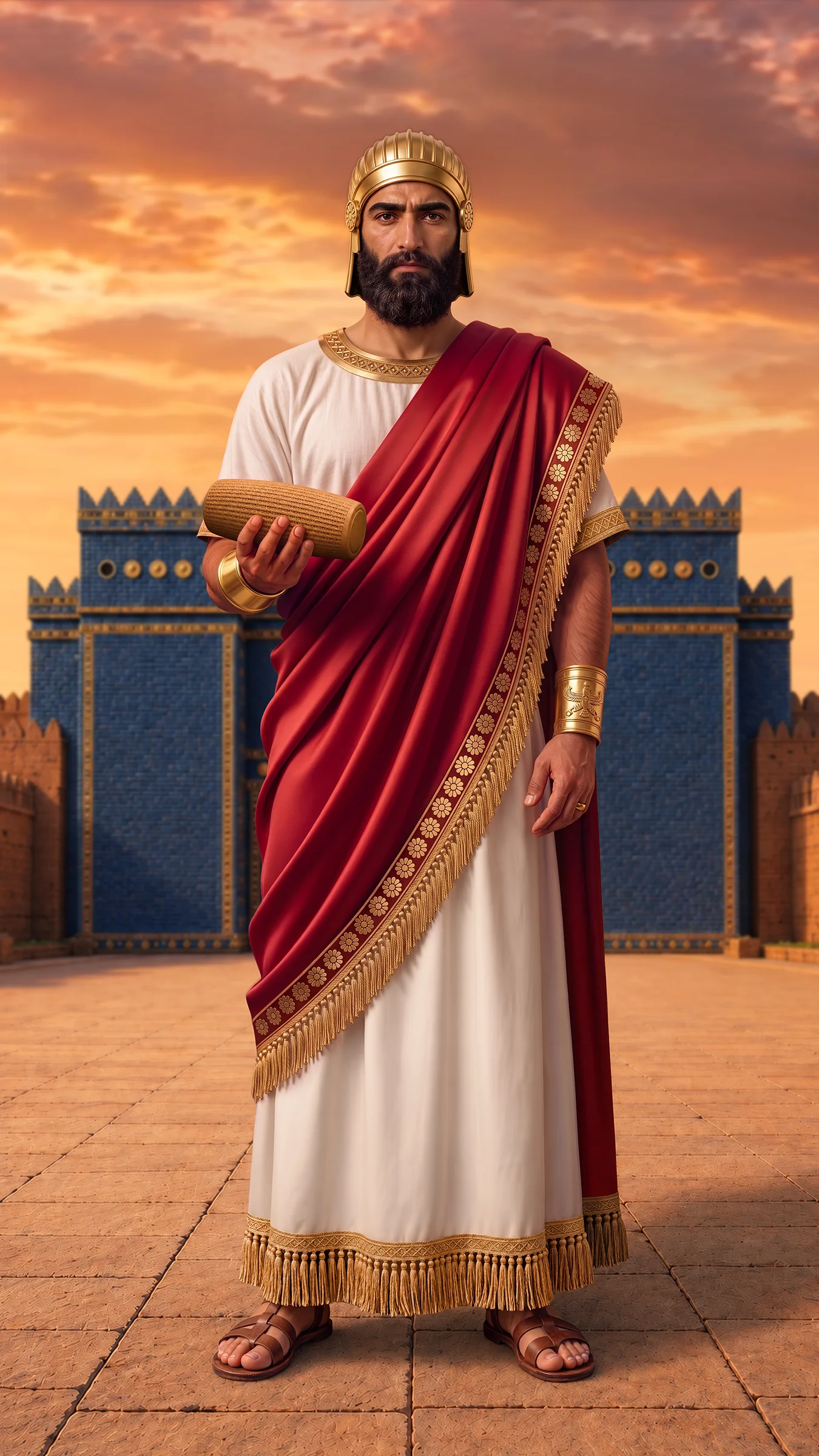
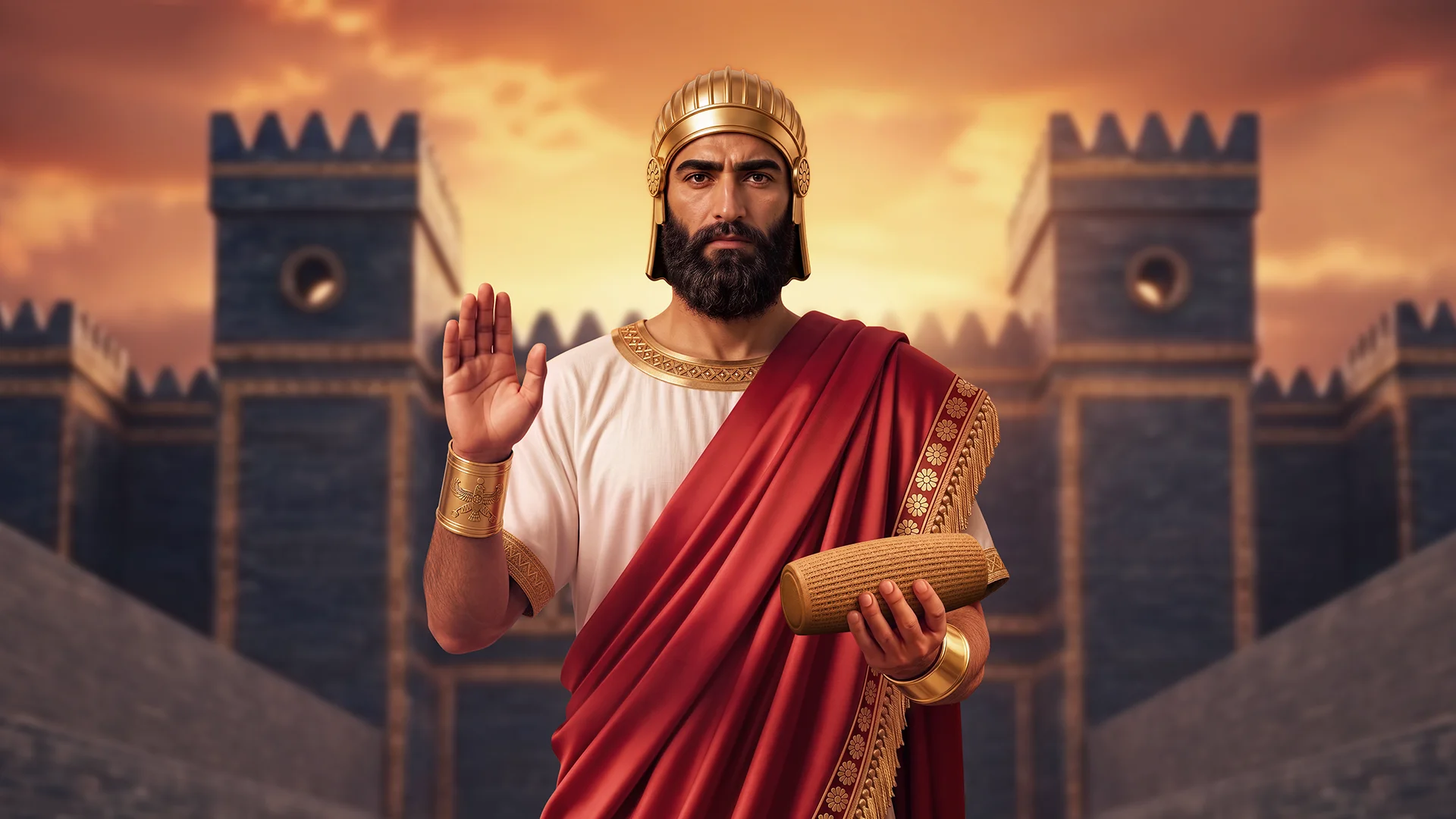
The history of Iran is full of kings who played an important role in the formation and growth of this land. Yet among them, one name shines brighter than the rest—a name that has become immortal not only in Iranian history but also in world history: Cyrus the Great, the founder of the Achaemenid Empire and the Father of Human Rights. In this short article, we will explore his life, achievements, and lasting legacy.
At a time when the Iranian Plateau was divided among competing local powers, Cyrus rose from the land of Persis. With wisdom and foresight, he united the Iranian tribes and created a strong and unified nation. This was more than a military alliance; it was the beginning of a people united by a shared vision for the future.
Believing in the unity of Iran, Cyrus turned his attention to the Medes. After several decisive battles, and through his wisdom and generosity, he united the Median Kingdom with Persis and laid the foundation of what is widely regarded as the world’s first empire. Instead of destroying those he defeated, he welcomed them into his government. He understood that the strength of an empire depends on the support of its people, not on the power of the sword.
After securing his rule at home, Cyrus began a campaign of expansion based on justice. He first conquered Lydia and later captured the fortified city of Babylon through brilliant military strategy. However, what made him more than a successful conqueror was the way he treated the people under his rule. He entered Babylon not as a tyrant, but as a liberator. He freed enslaved people, respected local religions and traditions, and presented to the world what is often considered the first declaration of human rights.
Why is Cyrus often called the “Father” of Iran? The answer lies in his character and his style of leadership. Unlike many rulers of his time, who burned cities and enslaved their enemies, Cyrus allowed people to live freely and worship according to their own beliefs. This wise policy helped create an empire that stretched from the Mediterranean Sea to the borders of India, where many different peoples experienced peace and security under just rule.
In this way, Cyrus the Great changed the course of world history and left behind a legacy of freedom, wisdom, and justice for the people of Iran. He showed that power cannot endure without justice and humanity. Today, the name of Cyrus represents not only the glory of the Achaemenid Empire but also the identity and greatness of Iran—a man who rose from the heart of Iran and, with ideas far ahead of his time, continues to inspire generations.